Why Visit the Colosseum: History, Significance and UNESCO Heritage
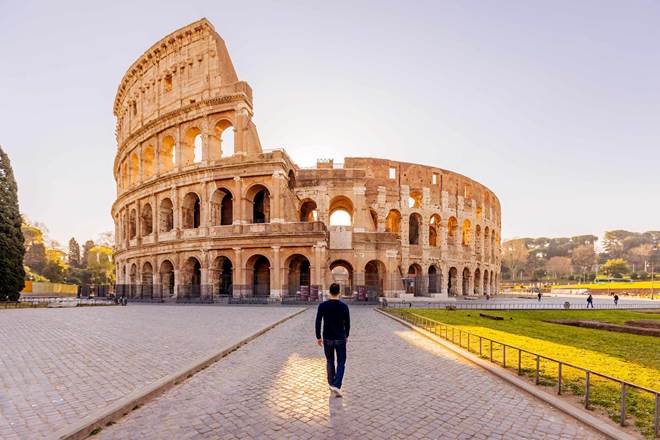
The Colosseum is not simply an ancient building. It is the most recognisable symbol of Roman civilisation, a monument that has withstood almost two thousand years of history and still welcomes thousands of visitors every morning from every corner of the world. To visit the Colosseum is to encounter something profoundly human: architectural ingenuity, the brutality of ancient spectacle, and an astonishing capacity to endure the passage of time.
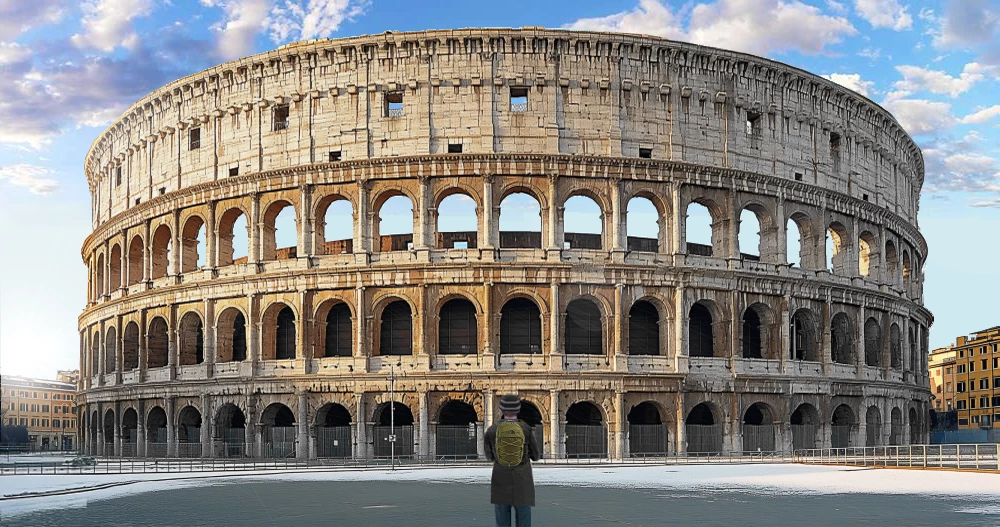
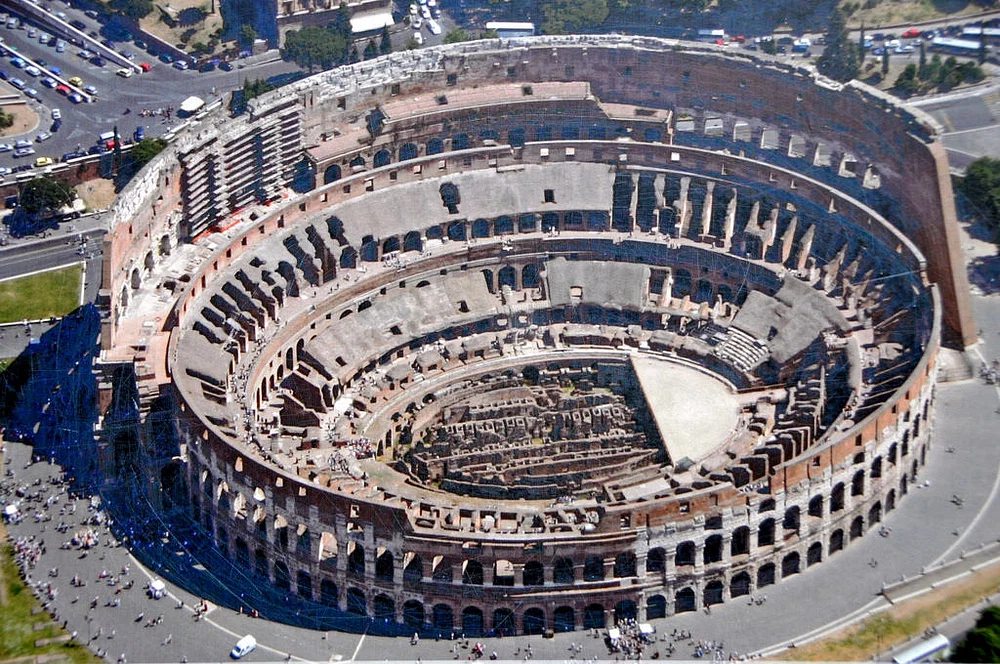
Built between 70 and 80 AD by Emperor Vespasian and inaugurated by Titus with one hundred days of games, the Flavian Amphitheatre (its original name) could hold between 50,000 and 80,000 spectators. It was, in every sense, the largest stadium in the ancient world. The elliptical structure — 188 metres by 156 metres across, and almost 49 metres tall — is an engineering masterpiece that continues to astonish architects and engineers to this day.
The Colosseum and UNESCO World Heritage
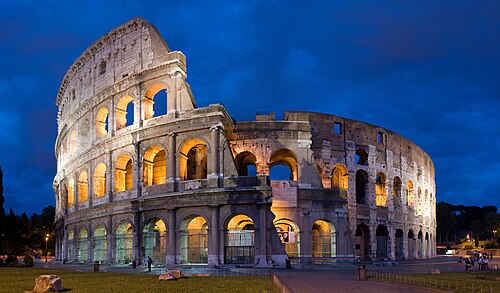
Since 1980, the Colosseum has formed part of the UNESCO World Heritage Site known as the "Historic Centre of Rome", recognised alongside the Imperial Forums, the Pantheon and other monuments of the Eternal City. This status confirms the monument's universal value and the importance of preserving it for future generations.
In 2007, the Colosseum was voted one of the New Seven Wonders of the World through a global poll attracting over 100 million votes — a resounding confirmation of its iconic status worldwide.
How Many Gladiators Fought Here?
Historical estimates suggest thousands of combats took place over the four centuries during which the Colosseum staged spectacles: gladiatorial bouts, hunts involving exotic animals (venationes), public executions and even simulated naval battles (naumachiae). The entire city of Rome would come to a standstill for these events, which were financed by the emperor as an instrument of popular control.
- Built in just 8–10 years using over 100,000 cubic metres of travertine limestone
- The system of 80 numbered entrances allowed 50,000 people to evacuate in under 10 minutes
- The velarium, a vast retractable awning, was deployed by specialist sailors from the imperial fleet
- The subterranean level concealed a network of tunnels, trapdoors and winching mechanisms designed to surprise the crowd
- The games officially ceased in 435 AD with an edict by Emperor Valentinian III
To visit the Colosseum today is to read this layered history directly in the stone. Every arch, every block of travertine, every carved section of wall has a story to tell. No guide, however detailed, can replace the visual and emotional impact of standing face to face with the arena itself.