
Why Choose a Guided Tour of the Colosseum
The Colosseum is one of the most complex and layered monuments in the world. Nearly two thousand years of history are stratified in every arch, every corridor, every block of travertine. Visiting it without an expert guide is possible, but it means foregoing the deepest and most significant part of the experience: the living narrative that transforms ancient stone into human stories.
A guided tour of the Colosseum is not simply a stroll with someone reading a brochure aloud. It is a journey through time led by professionals who know the monument in every one of its corners — who know where to look, what to seek out, and how to make every detail comprehensible and fascinating even for those without a specific historical background.
Whether you are visiting the Colosseum for the first time or want to explore aspects you have previously only skimmed, an expert Colosseum guide radically changes the quality of the experience. It is not a luxury: it is the most effective way to truly understand what you are looking at.
What a Guide Concretely Adds to the Experience
Many visitors who return to the Colosseum a second time — this time with a guide — report having had the feeling of visiting a completely different monument. Not because anything has changed in the structure, but because the perspective from which one looks is fundamentally transformed.
- In-depth historical context: the guide knows when and why the Colosseum was built, who commissioned it, what political and social dynamics made it possible. This information turns the visit into a coherent narrative.
- Anecdotes and vivid stories: the names of the most famous gladiators, combat techniques, the scoring system, the relationship between spectacle and imperial power. Details that wall labels never include.
- Orientation within the monument: the Colosseum can disorient, especially in high season with thousands of visitors. The guide knows where to go, in what order, to make the most of your time without missing any significant element.
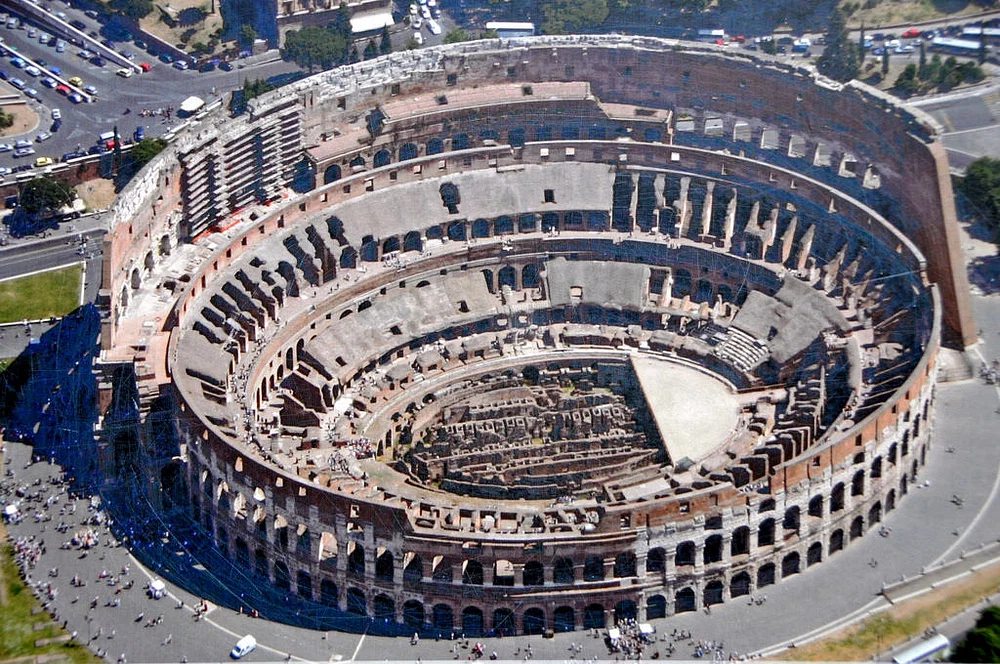
- Reading the architecture: Roman engineering, the three architectural orders (Doric, Ionic, Corinthian), the system of arches and vaults, the velarium that shaded the spectators. Aspects invisible without expert explanation.
- Answering questions in real time: every visitor has different curiosities. The guide responds on the spot, adapting the narrative to the specific interests of the group or individual.
- Facilitated access to special areas: many guided tours include areas not normally accessible to the general public, such as the underground, the arena floor or the upper levels.
The Value of a Guide for Different Types of Visitor
There is no single type of Colosseum visitor. There are those who come with children, those passionate about Roman history, those with only two hours to spare, those who want to photograph, those who want to understand the architecture. A high-quality Colosseum guide in Rome knows how to adapt to all these profiles.
For families with children, specialist guides use narrative techniques that capture young imaginations: stories of gladiators, descriptions of exotic animal hunts, explanations of how the trapdoors beneath the arena worked. The Colosseum becomes an immersive adventure playground in history.
For history enthusiasts, the guide opens levels of reading the monument that would require years of independent study to reach. The connections between architecture, politics, religion and the social life of imperial Rome emerge with clarity.
For those with limited time, the guide allows you to see the right things in the right order, avoiding wasted energy in less significant areas and focusing on the essential points.