
Updated April 2026

Visit the Colosseum Today:
Real-Time Availability and Practical Tips

Planning a visit to the Colosseum at short notice? This guide explains how to check real-time availability, which time slots offer the least waiting, and what to do if all experiences are fully booked.

Independent information portal. Not affiliated with the Parco Archeologico del Colosseo. Links to guided experiences are affiliate links.

Colosseum Today: Quick Reference

An immediate overview of everything you need to know when deciding whether and how to visit the Colosseum today or tomorrow.

Key facts for visiting the Colosseum today or tomorrow without advance planning
Aspect Situation Advice
Guided experience availability Varies by season and day of week Check the widget above for real-time information
Independent access (without guide) Generally available, but queues in peak season Purchase online in advance — even just 24 hours ahead
Recommended time slot today 09:00–10:30 or after 16:30 Avoid the 11:00–15:00 window on busy days
Estimated queues (peak season) 1–3 hours without advance planning Guided experiences use dedicated access points
Opening time 09:00 (year-round) Summer: closes 20:30 — Winter: closes 16:30
First Sunday of the month Free admission for all Very long queues: arrive at opening or choose another day
Plan B if fully booked Roman Forum, Arch of Constantine, Palatine exterior See the "Plan B" section in this guide
How to reach the Colosseum Metro Line B – Colosseo station Avoid driving: ZTL in force, parking virtually impossible

How to Check Colosseum Availability in Real Time

The first question from anyone arriving in Rome at short notice is always the same: is there still a way to visit the Colosseum today? The answer depends on the day, the season and the type of experience you are looking for. The good news is that there are precise tools that can give you an answer within seconds.

The most direct method is to use the availability widget at the top of this page: it shows which sessions are still open for today and the coming days, with times and remaining places. It updates in real time and filters by date, allowing you to identify available windows immediately.

Official Channels for Checking Availability

In addition to the widget on this page, you can check availability through the following channels:

  • Official Parco Archeologico del Colosseo portal (ticketing.colosseo.it): manages direct sale of admission passes. The system updates in real time as places are taken or released by cancellation.
  • Certified guided experience operators: platforms such as GetYourGuide aggregate availability from multiple operators and often show alternatives in the same time slots.
  • Self-service kiosks: located near the monument, they allow you to check same-day availability and purchase on the spot.

Cancellations: An Underused Resource

Every day places are freed up by cancellations. This applies to both independent access and guided experiences. Cancelled places re-enter the system almost immediately and are assigned in chronological order. The practical tip: if availability shows as zero in the morning, check again two or three hours later. During the course of the morning, unexpected windows often open, especially in the late afternoon time slots.

For those with a more structured travel plan, the guide to guided experiences at the Colosseum provides a complete overview of all available options, with recommended lead times for each type of visit.
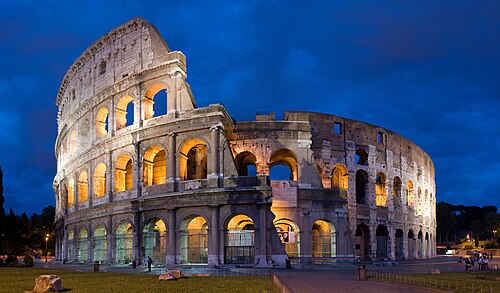
The exterior of the Colosseum on a spring morning
The exterior of the Colosseum on a spring morning. In peak season, queues can begin forming well before the official opening time. Arriving at 08:45 makes an enormous difference.

How Far in Advance Do You Need to Plan?

There is no universal answer, but there are reasonable guidelines based on historical visitor patterns:

  • In low season (November, December, January, February): it is often possible to find availability even for the same day, especially on weekdays. The simpler experiences are almost always accessible with just a few hours' notice.
  • In mid-season (March, October): 24–48 hours' notice is generally sufficient for most experiences. Weekends start selling out earlier.
  • In peak season (April–September): experiences including the underground or arena floor often sell out 5–7 days in advance. Early morning slots remain more accessible even 1–2 days beforehand.
  • On public holidays (Easter, 25 April, 1 May, 2 June): it is advisable to plan at least 10–14 days in advance. These are the highest-demand periods of the entire year.
Strategies for a Spontaneous Visit: How to Maximise Your Chances of Getting In

You are in Rome. You decided this morning that you want to visit the Colosseum and you have not arranged anything in advance. What should you do? Here are the practical strategies that significantly improve the chances of success on the day.

Strategy 1: The Morning Check

Before leaving your hotel, spend ten minutes checking availability using the widget at the top of this page or on the official portal. If you find sessions available, act immediately: waiting even an hour can mean finding those same sessions fully booked. Speed of decision is critical for last-minute visits.

Strategy 2: Target the Afternoon Slots

Many visitors spend their morning at the Colosseum and leave the afternoon for other sites. This means that the 14:00–17:00 slots tend to have more places available than the morning sessions, which sell out first. If the morning is fully occupied, look at afternoon sessions on the same day: there are often positive surprises.

Strategy 3: Weekdays vs Weekends

The difference between a Tuesday and a Saturday can be enormous. In peak season, weekends see visitor numbers 40–60% higher than weekdays. If you have flexibility on dates, shifting your visit from Saturday to Thursday or Friday can mean the difference between finding availability and not. Mondays in particular often see shorter queues and greater availability than other days of the week.

Strategy 4: Consider Independent Access

If guided experiences with a licensed guide are all taken, independent access to the Colosseum is almost always available, though it means queuing at the counters. The difference between a 20-minute wait and a two-hour one depends almost entirely on the time of day chosen. Arriving at exactly 09:00 is the most effective move: the queue has not yet had time to form, and entry takes just a few minutes.

For all information on admission fees, see our page on Colosseum costs and fees 2026.

Strategy 5: The Waiting List Method

Some guided experience operators manage informal waiting lists. If you are interested in a specific experience (for example, the underground vault tour) but it is momentarily sold out, contact the operator directly asking whether any places have become available through cancellation. This direct channel often works better than expected, especially for small groups where a single cancellation is enough to free a space.

Want to check right now whether experiences are available for today or tomorrow? The availability widget at the top of the page is the most up-to-date tool available.

Check Availability Now

Seasonality and Availability: When Is It Easiest to Visit the Colosseum?

Availability at the Colosseum is not random: it follows precise seasonal patterns that, once understood, allow you to anticipate the situation with reasonable accuracy. Knowing these cycles is useful both for those planning a trip and for those already in Rome who need to make a quick decision.

Peak Season: April – September

April marks the start of peak season with Holy Week, one of the highest-demand periods of the year. From that point through to September, the Colosseum operates at full capacity. The most sought-after experiences — underground vaults, arena floor, upper tiers — sell out days or weeks in advance. July and August see the highest influx of international visitors, with queues starting to form before opening time.

During this period, those who arrive without any prior planning need to be realistic: the best sessions are taken. However, using the strategies described above, it is still possible to gain access — especially if you are willing to arrive at opening time or visit in the late afternoon.

Mid-Season: March and October

March and October are the ideal months for those seeking a balance between availability and pleasant conditions. The temperature is mild, the light is excellent for photography, and visitor numbers — while significant — are far more manageable than in the summer months. In these months it is still possible to find availability for guided experiences 2–3 days ahead, sometimes even on the same day in the afternoon.

Low Season: November – February

November, December (excluding the Christmas and New Year period), January and February offer the best access conditions of the entire year. Queues reduce dramatically, availability is broad, and the atmosphere inside the monument is completely different: quieter, more contemplative, almost meditative. The Colosseum in rain or in winter light has a quality that few tourists know.

In low season, it is often possible to access even the most exclusive experiences such as the underground on the same day or the day after. For specific seasonal opening hours, see our page on Colosseum opening hours 2026.

The Worst Days of the Year for Finding Availability

There are certain dates when saturation is virtually guaranteed and planning ahead is not optional but essential:

  • Holy Week and Easter Monday: the highest-attendance days of the entire year. Plan at least two weeks in advance.
  • 25 April (Liberation Day) and 1 May (Labour Day): very busy bank holidays, often bridged together. Visitor numbers close to summer peak.
  • 2 June (Republic Day): national holiday with official events in the city centre. Visitor numbers elevated.
  • First Sunday of the month: free admission brings enormous queues. A great opportunity if you arrive before opening; problematic at all other times.
  • Ferragosto (15 August): Romans are on holiday but international tourists fill the centre. Expect difficulty.
  • Christmas and New Year (26–31 December): international tourist influx outside the usual season, availability reduced compared to the rest of winter.

The Best Days for Finding Availability

  • Any weekday in January or February, especially early morning
  • Mondays in November and mid-October
  • The days immediately after New Year (2–6 January), when visitor flows drop sharply
  • Days of heavy rain: bad weather reduces visitor numbers, particularly among those with flexible plans

Expert Tips for Visiting the Colosseum at Short Notice

Those who know the Colosseum well understand that certain moves make all the difference when time is limited. Here are the most effective.

01

Arrive Before Opening Time

Arriving at the Colosseum at 08:45–08:50, before the official 09:00 opening, is the single most effective tip for anyone who has not planned ahead. The queue at that moment is minimal — often just a few minutes. By 10:30, that same queue could be ninety minutes long. The time saving is disproportionate to the effort of getting up a little earlier.

02

Use Your Smartphone as Your Main Tool

Having your smartphone with you and using it actively before reaching the monument is essential. Check availability while you are still on the metro or the bus. If you find an experience available, purchase it immediately: places disappear in the time it takes to walk to the entrance. Do not wait until you are standing in front of the counters to decide.

03

The Afternoon Is the Window of Opportunity

Many visitors plan their Colosseum visit in the morning and give up if they see limited availability in the early hours. What they do not realise is that the afternoon — especially after 15:00 — often sees more places become available for two reasons: morning cancellations re-enter the system, and afternoon sessions attract less competition. The 15:30–17:30 slot is often the richest in opportunities on days of moderate visitor numbers.

04

Do Not Fix on One Experience Type

If you are looking for a specific type of visit — for example the underground tour — and it is sold out, do not stop there. Other options can be equally rewarding and almost always have greater availability. A guided tour of the arena, the upper tiers or even a well-prepared independent visit can prove just as memorable as the most exclusive option. Flexibility is your main asset when visiting at short notice.

05

Wednesday and Thursday Are the Best Days

In peak season, visitor data shows that Wednesday and Thursday are the days with the lowest volumes. The reason is simple: many tourists structure their visits around weekends and the adjacent days (Monday for those who arrived Saturday, Friday for those leaving Saturday). The middle days of the week tend to have more breathing room. If you have flexibility, plan your Colosseum visit on one of these two days.

06

Combine the Visit with the Roman Forum

The Colosseum pass also covers the Roman Forum and Palatine Hill, valid for two days. If the Colosseum is saturated today but the Roman Forum has places, enter from the Forum — queues there are almost always shorter. Then use the second day of validity to return to the Colosseum in a more favourable time slot. This strategy lets you make the most of both sites without wasting time in unnecessary queues. Read our complete guide to the Imperial Forums for all the details on this option.

Plan B: What to Do If the Colosseum Is Fully Booked

You have tried every strategy and checked every channel, but the Colosseum for today is out of reach. It happens, especially during bank holidays and the peak summer weeks. The good news is that the area around the Colosseum offers some of the most intense experiences in all of Rome, even without entering the amphitheatre. Here is the experts' Plan B.

1. The Exterior of the Colosseum and the Arch of Constantine

The exterior of the Colosseum is an architectural spectacle in its own right, freely accessible and requiring no planning whatsoever. Walking around the amphitheatre, observing its four façades with their different superimposed architectural styles — Doric on the first level, Ionic on the second, Corinthian on the third — is already an educational experience. The Arch of Constantine, a few metres from the main entrance, is among the best-preserved monuments in all of Rome: its bas-reliefs recount the story of an empire in the midst of permanent transformation.

2. The Palatine from the Exterior

The walls of the Palatine — the hill where the imperial palaces stood — rise above the Colosseum in a panorama that many photographers consider the finest in the Roman Forum area. From the Via Sacra, without entering the paid archaeological zone, you can enjoy an extraordinary view of the entire complex. The hill itself is visible in its entirety, with the ruins of imperial villas emerging from the vegetation.

3. The Roman Forum from Outside: Via Sacra and Viewpoints

The Via Sacra, the main axis of the Roman Forum, is partially visible from public access points. The Capitoline Hill offers a free and magnificent elevated view over the entire Roman Forum, with the Colosseum in the background. This overhead perspective is often preferred by photographers to the view from inside: it allows you to grasp the overall topography of ancient Rome's centre in a single glance.

4. The Markets of Trajan and the Forum of Trajan

Less than ten minutes' walk from the Colosseum, the Markets of Trajan are an imposing archaeological complex visited far less than the Colosseum itself. The museum housed within contains unique finds from the Imperial Forums. The building — multi-storey with brick arches — is one of the best-preserved structures in Roman civic architecture. Access is often possible with minimal waiting, even in peak season.

5. The Circus Maximus

A short walk away, the Circus Maximus is freely accessible. It was the largest sports venue of the ancient world: 600 metres long and capable of holding 250,000 spectators — five times the capacity of the Colosseum. Today it is largely an open field, but the scale of the structure — still perceptible in the curves of the seating banks — is impressive. The site is open and free, and the walk around its perimeter repays every step.

6. The Baths of Caracalla

About 1 km from the Colosseum, the Baths of Caracalla are one of Rome's least celebrated but most spectacular archaeological sites. The complex — still largely standing — covered 11 hectares and could accommodate 1,600 bathers simultaneously. Admission is separate from the Colosseum pass and requires a specific ticket, but availability is almost always good. A high-quality alternative for a day dedicated to Roman archaeology.

7. Plan the Visit for the Following Day

If you are in Rome for more than one day, using the "Plan B" day to explore the surrounding area and arrange your Colosseum visit for the next day is often the wisest choice. You can use the time gained to book the exact session you prefer, choose the optimal time slot and arrive at the monument with complete composure. See our guide to guided tours at the Colosseum for a comparison of all available options.

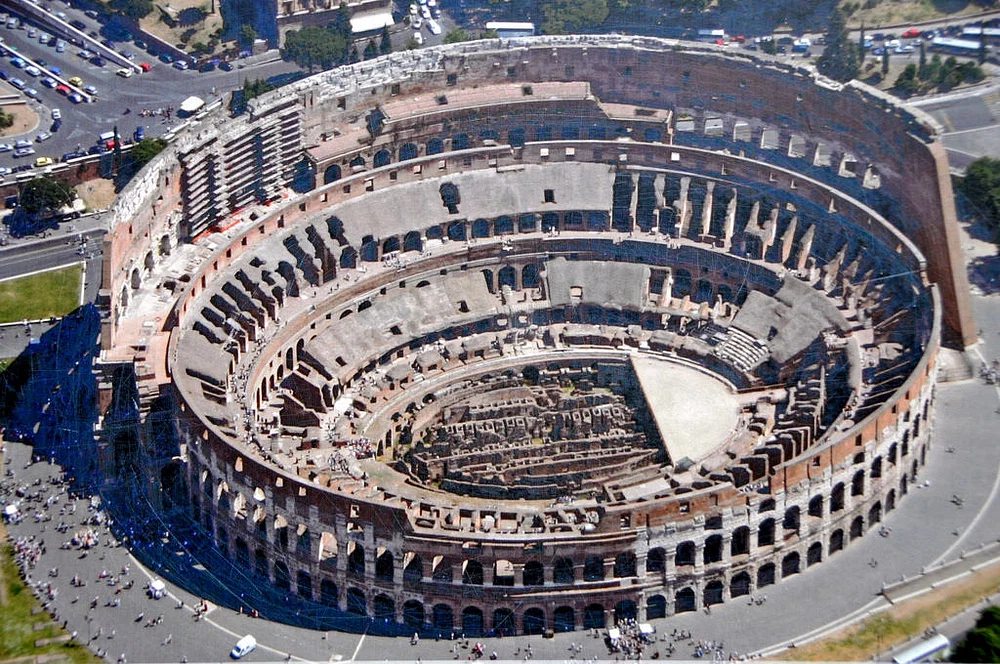
Interior view of the Colosseum with the exposed hypogeum and underground structures visible
The interior of the Colosseum with the hypogeum clearly visible below: an experience worth every wait. If today's availability is zero, planning for tomorrow guarantees a visit with no rush and no compromises.

Colosseum Experiences: What to Choose at Short Notice

When time is limited, it helps to know which types of experience are most likely to still be available and which sell out first. The table below offers guidance based on on-the-ground experience.

Likelihood of finding availability by experience type, based on how far in advance you are searching
Experience Type Same-day availability 24–48 hours ahead Notes
Independent Colosseum access High (low season), Medium/Low (peak season) High Variable queues at counters; online purchase faster
Standard group guided tour (main tiers) Medium (low season), Low (peak season) Medium/High Check early morning for afternoon cancellations
Tour with arena floor access Low Low/Medium Very popular; plan at least 3–5 days ahead in peak season
Tour with underground vault access Very low Low Structurally limited availability; best to plan 7+ days ahead
Upper tiers tour Low/Medium Medium Less sought-after than the arena floor; worth checking for cancellations
Evening/night tour Very low Low Available in certain periods only; sells out rapidly
Private tour Variable Variable Depends on guide availability; often findable in low season

For a detailed description of each experience type — content, duration and who it suits — see the guide to guided experiences at the Colosseum or the guided tours page.

Check Today's Available Experiences

What to Expect on Arrival: The Colosseum's Logistics

Arriving at the Colosseum knowing what to expect avoids surprises and helps you manage time more effectively, especially when you have limited margin. Here is a realistic description of how access works.

Entry Points

The Colosseum has multiple access points, not all equally busy. The side facing Piazza del Colosseo (towards the Metro) is the most heavily trafficked and has the longest queues. Those taking part in organised guided experiences enter through dedicated gates, separate from the main visitor flow: this accounts for much of the time saving compared to independent access via the general counter queues.

Security Checks

Before entering, all visitors pass through security checks with metal detectors and bag inspection. This step adds a few minutes to the wait. Practical tip: do not bring bulky rucksacks or unnecessary liquid containers — they slow down the security process and can cause problems.

What to Bring

  • Valid identity document: compulsory for entry, verified at the entrance. National identity card or passport.
  • Booking confirmation (digital or printed): if you have arranged a tour, make sure you have the confirmation accessible offline.
  • Water: there are no refreshment points inside the Colosseum. Public drinking fountains (nasoni) are near the exterior, but not inside. In summer, bringing a water bottle is essential.
  • Comfortable footwear: the internal flooring is uneven, with steps of varying heights and rough stone surfaces. High heels are strongly inadvisable.
  • Hat and sun protection: the terraces on the upper tiers are exposed to direct sunlight. In summer, the heat can be intense.

What Is Not Permitted

  • Food is not permitted inside (cool boxes, picnic items, packaged foods not consumable while standing)
  • Smoking is prohibited throughout the site
  • Drones are not allowed
  • Tripods require a specific authorisation
  • Touching the ancient structures is prohibited
  • Pets are not admitted (guide dogs for visually impaired visitors excepted)

For full practical details on reaching the Colosseum by public transport and getting around the area, see our complete Colosseum guide.

Frequently Asked Questions: Visiting the Colosseum Today

Answers to the most common questions from those wanting to visit the Colosseum at short notice or who are already in Rome.

Is it possible to visit the Colosseum without booking in advance?

Yes, it is technically possible to turn up at the Colosseum without any prior planning. In low season (November–March), independent access is almost always available with reasonable waiting times. In peak season (April–September), queues at the counters can exceed two to three hours. The best strategy: arrive before opening (08:45–08:50) or check availability online early in the morning and act immediately if sessions are still open. For more details on fees, see the Colosseum costs and fees page.

How can I find out whether there are still places available at the Colosseum today?

The quickest method is to use the availability widget at the top of this page: it shows in real time which sessions are still open for today and the days ahead. It updates automatically and filters by date. Alternatively, check the official Parco Archeologico del Colosseo portal (ticketing.colosseo.it). Cancellations occur every day, so it is worth checking again during the morning: places in afternoon sessions are often freed up.

What is the best time slot to visit the Colosseum with minimal queuing?

The two time slots with the lowest visitor numbers are opening time (09:00–10:00) and the late afternoon (from 16:30 onwards). The 11:00–15:00 window is the busiest, especially in the summer months and at weekends. Arriving at opening time allows for much shorter waits and a more contemplative atmosphere inside the monument. For full seasonal opening hours information, see the Colosseum opening hours page.

What can I do if guided experiences at the Colosseum are fully booked?

If guided experiences with a licensed guide are fully booked today, there are several good alternatives: independent access to the Colosseum (with queuing at the counters), a walk around the exterior with the Arch of Constantine, access to the Roman Forum (often with shorter queues than the Colosseum), the Markets of Trajan, the Palatine and the Circus Maximus. You can also use the time to plan your Colosseum visit for the following day with your preferred session. See the "Plan B" section in this guide for full details of every alternative.

Are there tours or experiences that can be arranged on the same day?

In low season (November–March) and on weekdays in mid-season, same-day availability for guided experiences is frequently available, particularly in the late morning and afternoon. In peak season this is less common but not impossible: cancellations occur every day and the released places re-enter the system. Checking early in the morning — often by 09:00 — usually gives a clear picture of that day's availability. For a full overview of all options, visit the guided experiences at the Colosseum guide.

Is the Colosseum open today? Are there any extraordinary closures?

The Colosseum is open every day of the year, including public holidays, with the exception of 1 January and 25 December. Extraordinary closures can occur for official ceremonies (such as the Republic Day celebrations on 2 June), special events or exceptional weather conditions. Before travelling, especially on public holidays or during major events in Rome, always check the official Parco Archeologico del Colosseo portal or Rome's official information channels.

Which months make it easiest to find availability at the Colosseum at short notice?

The months with the greatest availability and lowest visitor numbers are January, February and November. During these periods it is often possible to find places even on the same day, both for independent access and for guided experiences. March and October are good mid-season months with still-reasonable availability. From April to September demand is at its highest, with absolute peaks during Holy Week, the spring bank holidays, July and August.

How do I reach the Colosseum by public transport from central Rome?

The quickest way is by underground: the Colosseo station (Line B) is a few steps from the amphitheatre, with a journey time of under five minutes from Roma Termini. Bus lines 51, 75, 85, 87 and 117 and tram number 3 (stop "Colosseo/Via Labicana") also serve the area. Driving is strongly inadvisable: parking near the Colosseum is virtually impossible and the zone is subject to active ZTL restrictions at many times of day. For full practical details, see the complete Colosseum guide.

Ready to Visit the Colosseum Today?

Check availability for today or the coming days right now. The updated widget at the top of the page shows in real time all sessions still open.

Independent information portal. Links to guided experiences are affiliate links with certified operators. No additional cost to the visitor.