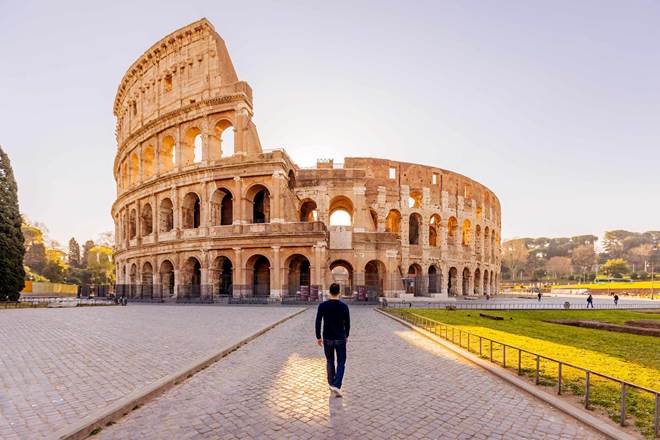
Why Choose a Guided Experience at the Colosseum
The Colosseum is the most visited monument in Italy and one of the most frequented in the world: more than 7 million visitors pass through the perimeter of the Flavian Amphitheatre each year. This extraordinary popularity has a downside: queues can be punishing, the most interesting areas are accessible only with an authorised guide, and without expert commentary it is easy to walk past the most significant details without understanding their importance.
A guided experience changes fundamentally how you encounter the Colosseum. It is not merely logistical support — an expert guide transforms stone and brick into living narrative, connects architecture to political history, explains why the arena floor was made of wood and sand, and recounts what happened in the hour before each bout began. The difference between entering alone and entering with a skilled guide is the difference between seeing and understanding.
The Practical Advantages of an Organised Tour
Beyond the cultural value, organised tours offer concrete practical advantages worth considering before deciding how to plan your visit:
- Access through dedicated entrances: organised groups enter via separate gates from individual visitors, significantly reducing waiting times, especially during peak season.
- Exclusive areas: the hypogeum (underground vaults), the arena floor and the upper tiers are accessible exclusively through specific guided tours. An independent visit does not permit entry to these zones.
- Time efficiency: a guide knows exactly where to go, in what sequence to visit areas, and how to avoid internal bottlenecks. Two hours with an expert guide is worth more than three hours of independent exploration.
- Immersive historical context: the information panels inside the monument are useful but limited. A guide brings decades of study and the ability to answer questions in real time.
- Flexibility for particular needs: private tours adapt to the pace of children, elderly visitors, those with reduced mobility or visitors with specific interests such as architecture, photography or military history.
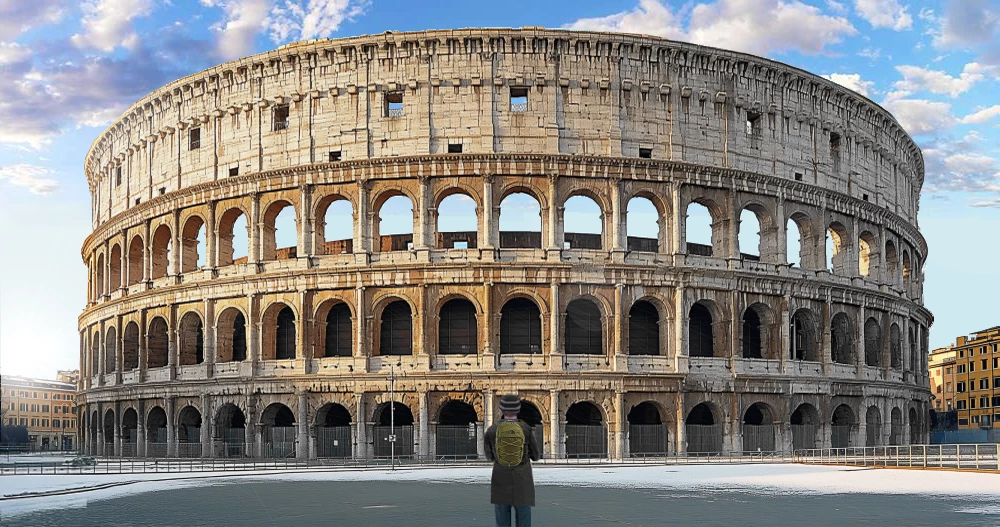
The Colosseum That Most Tourists Never See
Many visitors leave the Colosseum with the feeling of having seen something magnificent but without truly understanding what they stood before. High-quality guided experiences distinguish themselves by revealing the hidden layers of the monument: the crowd-management system through the vomitoria (the numbered passageways that allowed 50,000 spectators to evacuate in under ten minutes), the military-grade logistics of the ludi, the still-visible traces of the original hydraulic systems, and the marks left across centuries by earthquakes, by popes who stripped the travertine to build palaces, and by modern restorations.
For those who wish to explore the historical context in greater depth, our guide to guided tours at the Colosseum offers a detailed comparison of the various options available in 2026.